

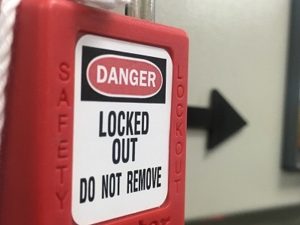
In industrial environments, safety isn’t optional—it’s essential. One of the most important safety practices is Lockout/Tagout (LOTO), a procedure designed to prevent the unexpected release of hazardous energy during equipment maintenance or servicing.
Yet despite its importance, many employees underestimate the value of proper LOTO training. The truth is, effective training doesn’t just check a compliance box—it actively protects lives, improves operations, and strengthens your entire safety culture.
Here are five critical reasons why LOTO training matters:
1. Supports Safer Maintenance and Equipment Testing
LOTO training provides a structured opportunity for teams to evaluate equipment while practicing safe shutdown procedures. During training, employees can identify potential issues such as:
- Malfunctioning machinery
- Faulty shutdown systems
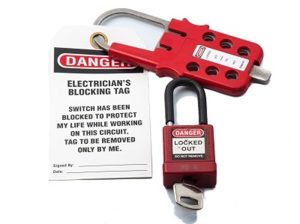
- Damaged lockout devices
By slowing down and walking through the process step-by-step, teams become more aware of hidden hazards and can address them before they lead to serious incidents.
2. Builds Familiarity with LOTO Devices
It’s easy to assume employees know how to properly use locks, tags, and other LOTO devices—but assumptions can be dangerous.
 Training ensures that all employees:
- Understand correct usage
- Recognize common mistakes
- Learn how to handle less frequently used equipment
This hands-on experience helps prevent misuse, such as improperly secured tags or incorrect group lockout procedures, which can lead to serious safety risks.
3. Improves Hazard and Issue Identification
When more employees understand LOTO procedures, more eyes are available to spot potential problems.
Training empowers both authorized and affected workers to:
- Recognize when procedures aren’t followed correctly
- Speak up during safety meetings
- Contribute to a culture of accountability
A strong safety program relies on team awareness—not just individual responsibility.
4. Makes the Process Less Intimidating 
LOTO procedures can seem complex, especially for employees with limited experience. Training removes that uncertainty by:
- Providing a safe space to ask questions
- Allowing mistakes without real-world consequences
- Increasing confidence during inspections
When employees feel comfortable with the process, they’re far more likely to follow it correctly and consistently.
5. Helps Refine and Strengthen Safety Plans
LOTO training doesn’t just teach procedures—it reveals opportunities for improvement.
During training, organizations can:
- Identify gaps in current safety protocols
- Address equipment issues (like broken locks or failing tags)
- Improve efficiency in lockout processes
Regular training acts as both a learning tool and a built-in safety audit, helping companies stay aligned with OSHA requirements while continuously improving.
 Final Thoughts
LOTO training is more than a requirement—it’s a critical investment in your workforce. The more your team practices and understands these procedures, the safer and more efficient your operations become.
At Elevate Workforce, we believe that safety starts with knowledge and grows through consistent training. Whether you’re onboarding new employees or reinforcing existing protocols, LOTO training is a powerful way to protect your people and your productivity.